
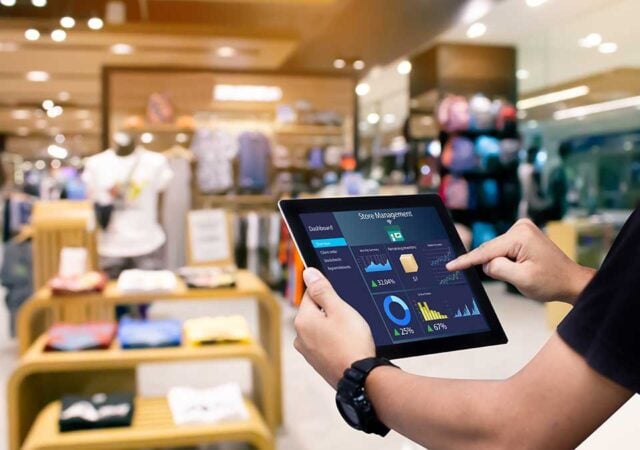
Retailers are using the Internet of Things (IoT) to monitor stock levels, shopper movements and in-store activity in real time. Connected sensors, Bluetooth beacons and electronic shelf labels can help businesses identify gaps on shelves, reveal how customers move through…
The concept of a digital world that evolves from the definition of ubiquitous computing is known as the “Internet of Things” (IoT). It is a network of physical devices, vehicles, and other items embedded with electronics, software, sensors, and network connectivity, which enables these objects to collect and exchange data.

IoT sensors cut ventilation energy by 31% at London office
An office building in London has cut the energy used by its ventilation system by 31% after deploying IoT sensors and intelligent controls on top of its existing building management system (BMS). The project at 3 Pancras Square, a 10-storey…

Saab and Kraken trial autonomous vessel for maritime drone detection
Saab UK and Kraken Technology Group have developed an autonomous surface vessel that combines maritime robotics with radar sensing to detect potential drone threats around shipping and critical infrastructure. The experimental system integrates Saab’s Giraffe 1X 3D radar with Kraken’s…

Netmore and Itron validate LoRaWAN relay for hard-to-reach water meters
Netmore Group and Itron have completed interoperability testing of a LoRaWAN relay system designed to extend smart water metering coverage without requiring utilities to install additional gateways. The validation brings together Itron’s Cyble 5 RF communication module, the Abeeway LoRaWAN…
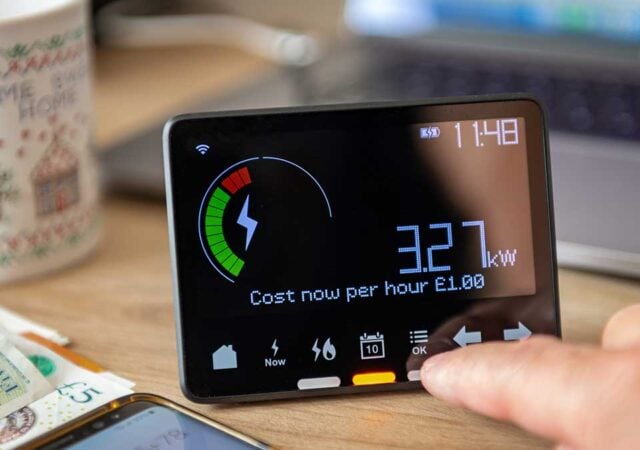
Itron launches Cloud AI platform for utility data
Itron has launched a Cloud-based meter data management platform that uses artificial intelligence to help utilities process data from smart meters and other grid-edge devices closer to real time. The company said IEE Cloud AI, the latest version of its…

Satellite IoT project to monitor remote Australian forests
A satellite-connected sensor network will be deployed across Australia’s Greater Blue Mountains to monitor forest health, biodiversity and climate stress, in a project that aims to demonstrate how non-terrestrial networks can extend IoT coverage into areas poorly served by terrestrial…

IMechE calls for smarter UK infrastructure to tackle climate risks
The UK needs to make greater use of data, monitoring and connected systems to protect critical infrastructure from increasingly extreme weather, the Institution of Mechanical Engineers (IMechE) has warned. The engineering body said infrastructure operators need to prepare for a…
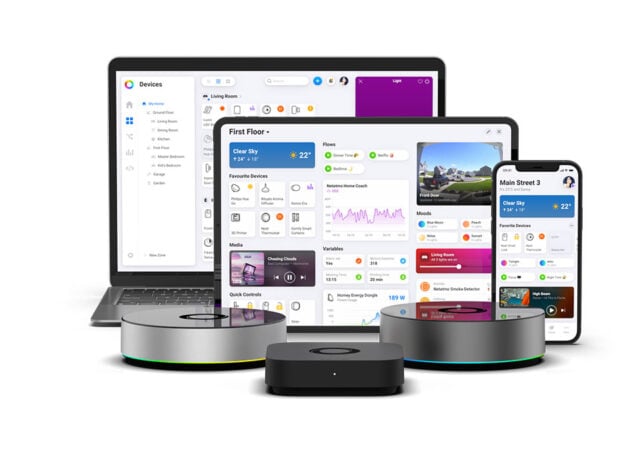
Homey adds updates for Matter, Z-Wave, and Zigbee devices
Athom announced over-the-air firmware updates for Matter, Z-Wave, and Zigbee devices in Homey. Users can initiate updates from the Homey Mobile App or Homey Web App. Homey handles the rest, including delivery, progress tracking, and user notification. Manufacturers regularly release…
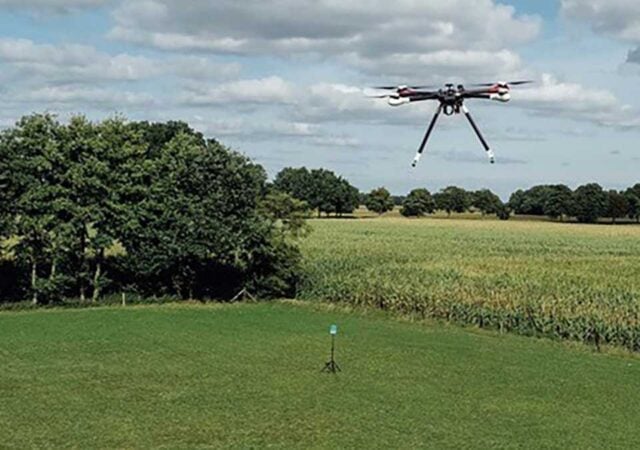
AI-powered sensors can ‘hear’ drones beyond line of sight
Researchers at Germany’s Fraunhofer Institute for Digital Media Technology (IDMT) have developed an acoustic sensing system that uses machine learning to detect and locate drones by their characteristic sound patterns. The technology, which is set to be demonstrated at the…

Total eclipse of the grid: how IoT is helping Britain ride out the solar slump
Britain’s solar eclipse will do more than give millions of people a reason to observe the skies this evening. For two hours tonight, it will also put the country’s smart home energy infrastructure to work, as connected devices help manage…