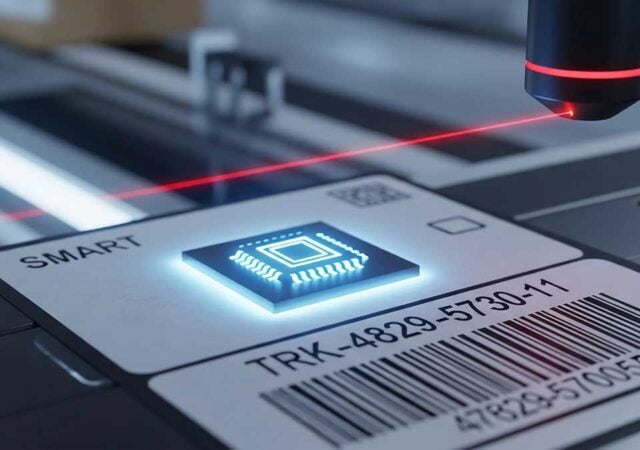
By Sharath Muddaiah, Head of Global Business Strategy and Customer Success for IoT Solutions at Giesecke+Devrient The logistics sector is undergoing a rapid digitisation. Supply chain disruptions are affecting the safe and efficient movement of goods, while companies are under…
The concept of a digital world that evolves from the definition of ubiquitous computing is known as the “Internet of Things” (IoT). It is a network of physical devices, vehicles, and other items embedded with electronics, software, sensors, and network connectivity, which enables these objects to collect and exchange data.

The role of IoT in shaping the future of outdoor advertising
Outdoor advertising is moving beyond static visuals and fixed schedules into a responsive, data-driven ecosystem, writes Eleanor Hecks, Managing Editor at Designerly Magazine. With the integration of the Internet of Things (IoT), various out-of-home (OOH) advertising infrastructures can now respond dynamically…

Fixing the connectivity gap in remote water monitoring with satellite IoT
By Alastair MacLeod, CEO, Ground Control Across the water sector, monitoring data is under increasing scrutiny. What was once collected primarily to meet compliance requirements is now being used far more actively, both operationally and publicly. Regulators expect greater transparency,…
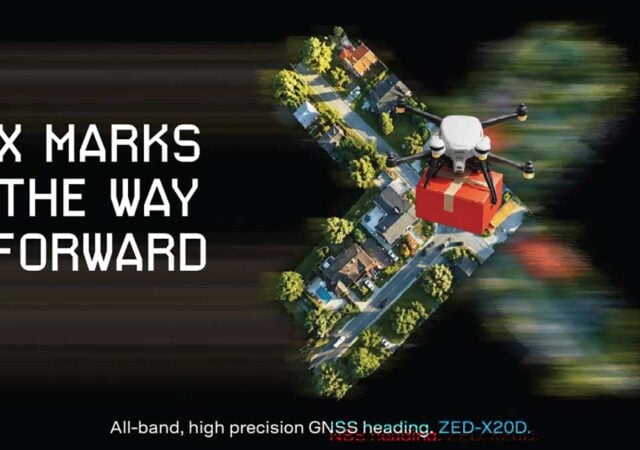
u-blox pushes into US with high-precision GNSS module for autonomous systems
Swiss positioning technology group u-blox has launched a new high-precision navigation module in the United States, targeting fast-growing autonomy markets including drones, robotics, and precision agriculture. The company said its ZED-X20D module is designed to deliver centimetre-level positioning alongside “motion-independent”…

How AI-powered IoT systems monitor workplace safety compliance
Internet of Things (IoT) compliance has grown more complex as the manufacturing and construction industries adopt interconnected systems and dynamic operating environments, writes April Miller, Managing Editor at ReHack Magazine. Many organisations still rely on manual audits and reactive reporting, which…
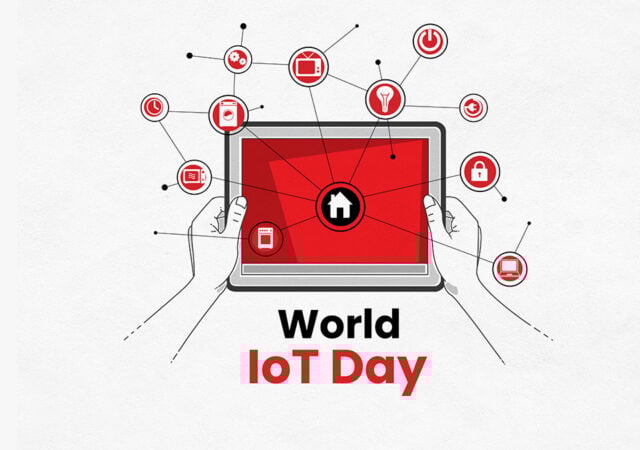
World IoT Day: AIoT connections forecast to reach 9.1Bn in 2033
This year, World IoT Day (9th April) marks a global recognition of the growing convergence of IoT and AI. With Transforma Insights forecasting AIoT connections to rise from 1.4 billion at the end of 2023 to 9.1 billion at the…

IoT-enable your Easter with an interconnected egg hunt!
In a world where IoT technology is seemingly seeping into every aspect of our lives: from smart homes to smart cars, it seems to us that the humble Easter egg hunt is ripe for the same connectivity boost. Imagine an…

EarthDaily awarded a €480,000 French Government grant
EarthDaily announced that it has been awarded a €480,000 grant by the French Ministry of Economy, Finance and Industrial and Digital Sovereignty under the FASEP (Fonds d’Études et d’Aide au Secteur Privé) program to support the Ukrainian government with advanced…

The rise of connected stealth drones: autonomous UAVs and airborne IoT networks
When most people think of IoT, they picture factories, logistics hubs, or smart cities — not aircraft flying at 45,000 feet. Yet information on the latest unmanned aerial vehicles deployed by national defence agencies around the world shows just how…
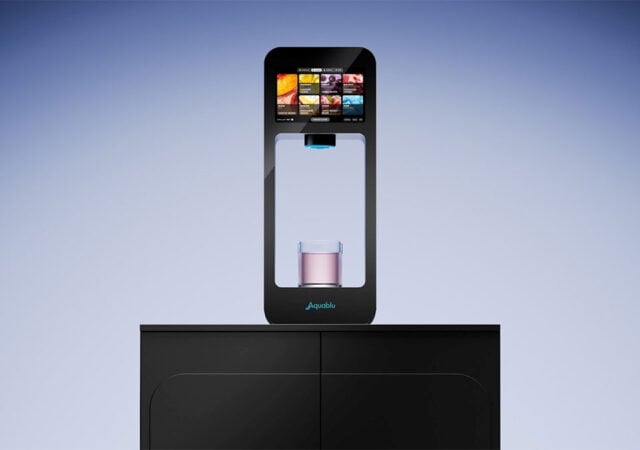
Aquablu launches refill + Series 2 with Aura
Aquablu unveiled the REFILL+ Series 2. Powered by the new AURA operating system, the Series 2 sets a new benchmark for sustainable, intelligent hydration in the workplace. Founded in 2018 in the Netherlands by Marnix Stokvis and Marc van Zuylen,…