
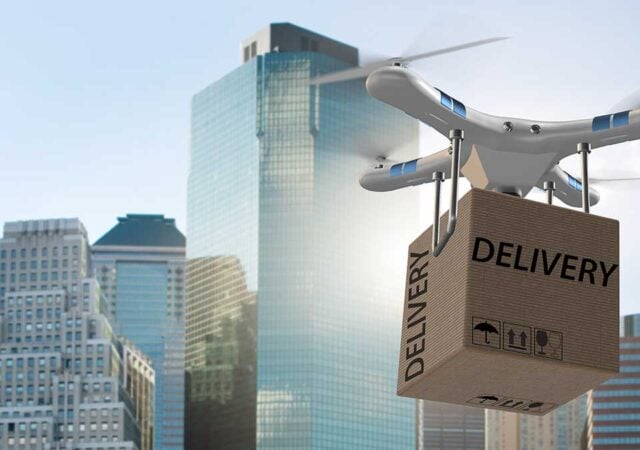
For years, autonomous drone delivery has been presented as the next major evolution in logistics. Instead of sending a van through congested roads to deliver a small parcel, an autonomous aircraft could fly directly from a fulfilment centre to your…
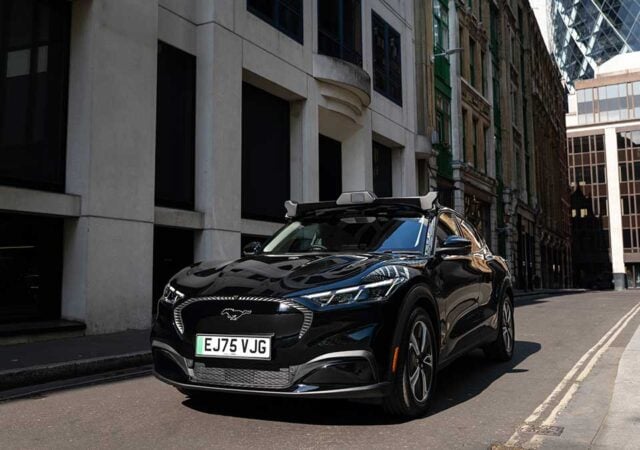
From the Knowledge to machine learning: Wayve takes AI driving to London
Autonomous driving startup Wayve says its new robotaxi service which launched last week in the UK capital will be a key test of its machine learning system which attempts to teach cars how to drive rather than programming them to…
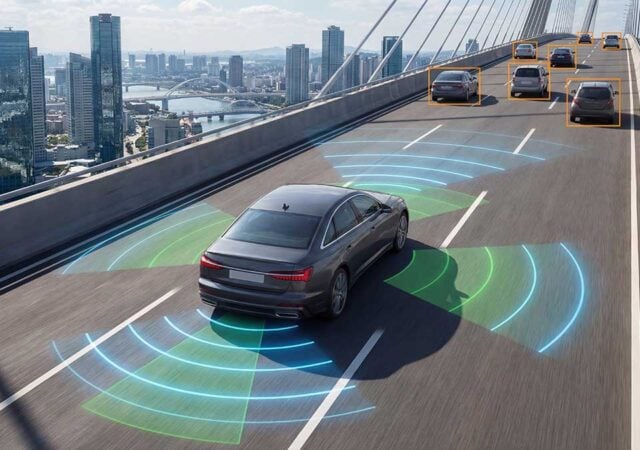
UNECE & GSR: what Europe’s push for mandatory ADAS features means for the rest of the world
Around the world, road safety regulations are moving into a new era, and towards a new approach to keeping road users safe. Regulations are shifting beyond mandating sensors, and towards the active protection of vulnerable road users such as pedestrians…

Nearly three-quarters of drivers willing to pay for satellite-connected car
A new study from Viasat has revealed drivers around the world say they regularly experience coverage ‘black spots’ and are willing to pay for satellite-powered services – especially when it comes to safety. The number of ‘connected cars’ has grown…

The announcement on platform 2 will soon arrive via a new generation of Bluetooth
A new generation of Bluetooth technology is being tested at Bristol Temple Meads railway station, allowing passengers to receive translated and accessible travel information directly through their own connected devices. The trial combines Auracast, a broadcast audio technology built on…
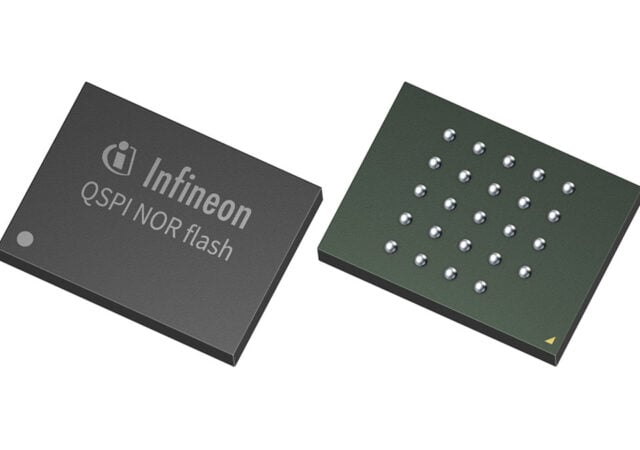
Infineon collaborates with MediaTek to enable future automotive smart cockpit solutions
Infineon Technologies is partnering with MediaTek to enable an advanced AI-driven in-cabin experience in future vehicles. MediaTek has now qualified the Infineon 512Mb Quad SPI NOR Flash, an automotive-grade NOR Flash memory solution, for use in its Dimensity Auto Cockpit…
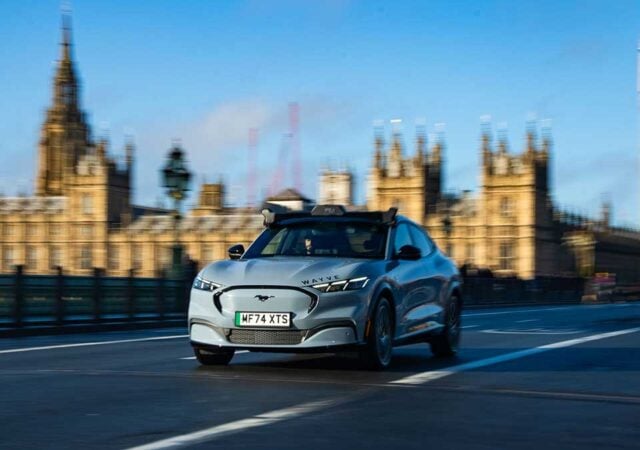
TfL approves Wayve autonomous vehicles for Uber passenger trials in London
Uber and UK autonomous driving company Wayve have secured approval to begin carrying passengers in London after Transport for London (TfL) granted private hire vehicle licences to their fleet of autonomous electric vehicles. The licences cover a number of all-electric…

BMW to roll out ultra-wideband technology in 2026 models
BMW Group has chosen NXP Semiconductors’ latest ultra-wideband (UWB) platform for future vehicle programmes, marking the latest step in the automotive industry’s adoption of the wireless technology beyond digital keys into safety and sensing applications. The German carmaker will deploy…
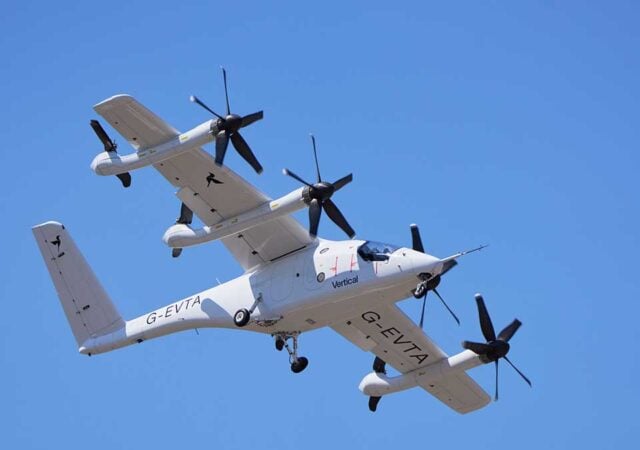
The race to build the connected skies: US and Europe accelerate flying taxi infrastructure
Electric air taxis are moving from prototypes towards real-world trials as governments in the US and Europe back programmes designed to test how these aircraft can be integrated into existing aviation systems. Electric vertical take-off and landing (eVTOL) aircraft are…

How IoT Is transforming non-destructive testing in aerospace manufacturing
Aerospace manufacturing has long relied on non-destructive testing (NDT) to verify component integrity without compromising the parts themselves. The Internet of Things (IoT) is now amplifying those capabilities by enabling real-time monitoring, predictive analytics and enhanced traceability throughout the aircraft…