Internet of Things (IoT) advancements have significantly expanded the diversity and capabilities of connected devices, especially through system-on-chip (SoC) innovations, writes April Miller, Managing Editor of ReHack Magazine.
Such developments feature simplified designs that optimise functionality. IoT designers, manufacturers and other relevant parties must consider various factors before beginning to develop their prototypes.
What benefits make them frequently choose SoC options?
Enables smaller, more capable devices
System-on-chip products combine multiple components onto a single chip, enabling efficient IoT performance in a minimal form factor. That characteristic expands the potential of high-tech devices and often maximises their appeal and functionality.
As a result, manufacturers can develop compact IoT devices without sacrificing capability. This is particularly important in applications where size and form factor are critical.
For example, consider smart speakers, which can play music, respond to questions and offer entertaining games, all in a product about the size of someone’s fist. Similarly, the connective components that make today’s highly advanced cars safer would quickly become irrelevant if they were too bulky.
Moreover, the healthcare sector has capitalised on IoT, with many facilities using wearable devices for continuous patient monitoring. Making products a reasonable size decreases perceived invasiveness, which could boost patient tolerance and overall satisfaction. A strong example comes from a recent research project that resulted in autofocusing glasses with built-in sensors that track eye movements and calculate the necessary lens adjustments to help the wearer see objects clearly.
Aligns with emerging technologies
The executives of many brands that sell IoT products understand they must stay ahead of the curve to capture the public’s interest and remain profitable. This challenge often means they ask design teams to push the boundaries, creating products people are likely to use in their daily lives.
Voice-activated items have made that possible, allowing users to utter prompts and get information without using their hands. This capability is especially valuable for those who are driving or operating machinery, and it caters to those who cannot easily retrieve physical content due to task requirements.
IoT products that respond to vocal prompts accommodate people who want to use advanced technologies conveniently without disrupting their usual routines or activities. These options also assist manufacturers who want to maximise market penetration by catering to users who could increase their productivity through hands-free offerings. Enterprises can remain in demand by facilitating compatibility with relatively new technologies such as large language models.
Expands AI capabilities
SoC discussions often centre on how numerous advancements have led to specific achievements. That makes it short-sighted to emphasize SoCs without simultaneously acknowledging other relevant improvements.
For example, printed circuit boards are foundational to many devices people use every day, including IoT products. However, even those components require copper for the necessary conductivity. People have already discovered more than 2.8 billion tons of it, and estimates suggest there are still billions of additional tons available.
That example shows how single components or technologies often have numerous related innovations facilitating them. The situation is similar for SoCs, especially in the context of artificial intelligence. The system-on-chip boom has unlocked possibilities for onboard AI processing, accelerating responsiveness and tightening security.
Although capabilities vary by hardware, SoCs have generally enabled IoT designers to harness Edge-based processing rather than sending data to the Cloud. One business released an SoC that enables Edge-based AI processing and accommodates those who need responses with virtually no latency. This capability can improve battery life in many use cases for IoT devices. Because the component also makes decisions within milliseconds, it suits time-sensitive requirements.
Supports expanded use cases
IoT devices belong in a large and ever-growing category. Users can buy them to measure crop hydration levels, track the calories they burn during a run or monitor their pets while away from home. This reality makes system-on-chip technologies especially relevant.
They empower designers to incorporate customer feedback or stated needs when creating new or updated devices. Manufacturers can then increase the likelihood of enjoying marketplace dominance by offering genuinely necessary and appreciated products.
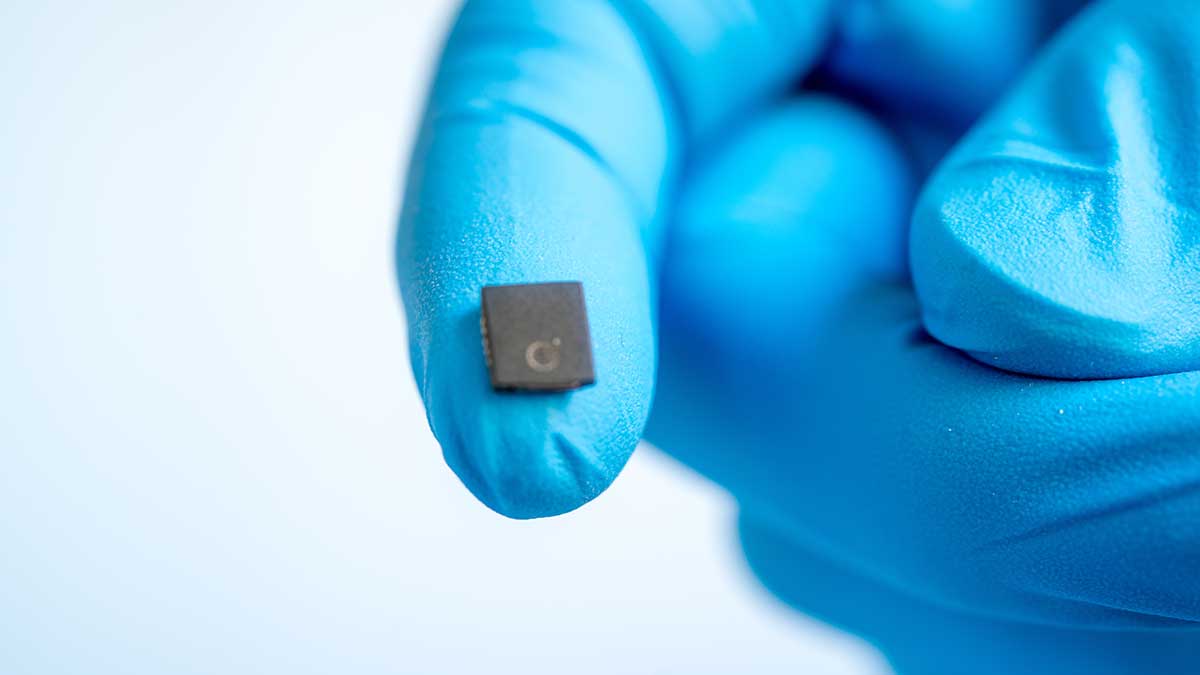
One award-winning IoT SoC attracted attention because it senses temperatures and is small enough to integrate into labels or packaging due to its millimetre-scale size. IoT temperature sensors have become widely used, especially for verifying that products such as vaccines or perishable foods remain within the required temperature range while traveling throughout the supply chain. SoC developments such as this one maximize the potential by allowing users to use sensors in previously impossible ways.
It also facilitates industrial needs by not requiring users to redesign shipping containers to accommodate the sensors. Decision-makers are more likely to embrace IoT SoC products if they can adopt them with minimal disruption. This highlights the possibilities and gives other developers compelling inspiration for their products.
System-on-Chip developments streamline success
It is too simplistic to say that system-on-chip innovations are the best choices for every IoT project. However, numerous examples illustrate why many designers prioritize this hardware in their products. As these products continue improving, tech enthusiasts should anticipate seeing more fascinating examples that can improve their lives and work.
Author biography:

April Miller is Managing Editor at ReHack Magazine, based in South Carolina, USA.
There’s plenty of other editorial on our sister site, Electronic Specifier! Or you can always join in the conversation by commenting below or visiting our LinkedIn page.