The number of connected medical devices used in home-based care is forecast to rise by 11.5% a year to almost 160 million by 2030, as healthcare providers expand remote patient monitoring, according to IoT analyst Berg Insight.
The number of devices used by patients enrolled in remote monitoring programmes reached 92.7 million worldwide in 2025, the Swedish research firm said in findings published this week. The figures exclude consumer devices used for personal health tracking.
Sleep therapy, diabetes management and monitoring patients with implantable cardiac rhythm management (CRM) devices account for the three largest applications.
Sleep therapy is the biggest segment, led by ResMed, alongside suppliers including Philips and Löwenstein Medical Technology. The number of monitored patients has more than doubled since 2018, driven largely by compliance monitoring requirements introduced in the US and Europe.
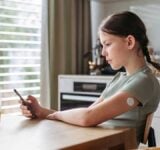
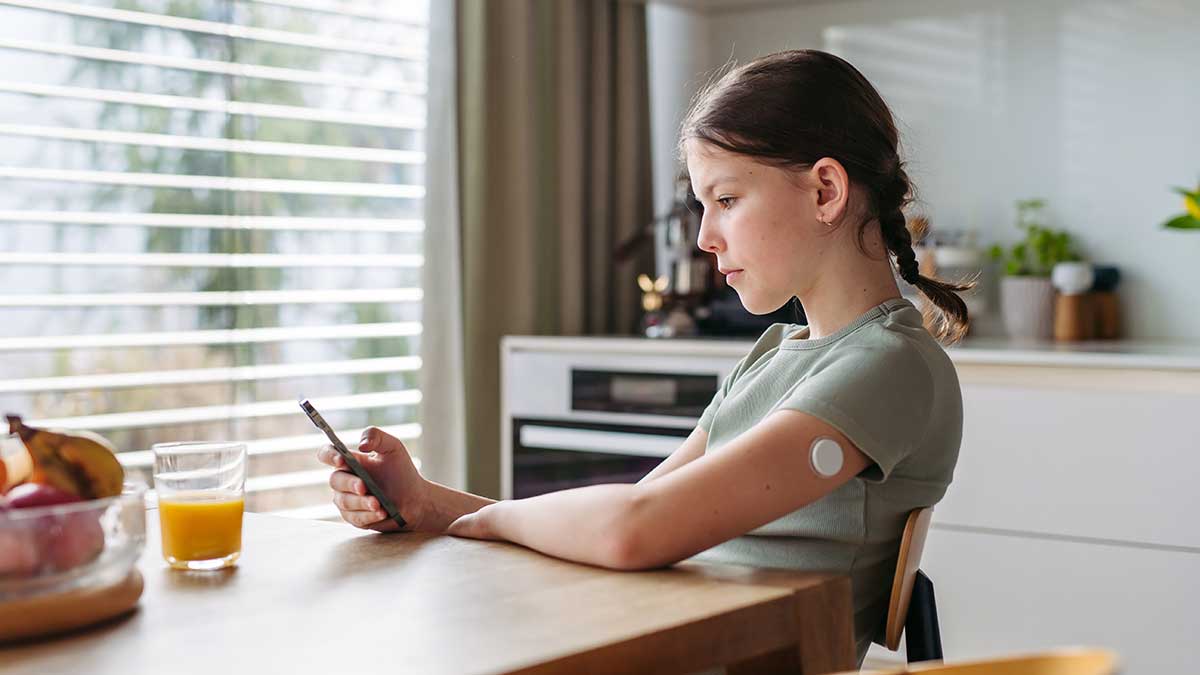
Diabetes management is the second-largest category, with 19.5 million connected devices at the end of 2025. Growth has been fuelled by wider adoption of continuous glucose monitoring systems and connected insulin delivery devices from companies including Abbott, Dexcom, Insulet and Tandem Diabetes Care.
The CRM market, which includes devices used to manage heart rhythm disorders, has incorporated connectivity for more than two decades. Medtronic, Abbott, Boston Scientific and BIOTRONIK are among the leading suppliers.
Berg Insight expects diabetes management, remote electrocardiogram (ECG) monitoring and medication compliance monitoring to be the fastest-growing segments over the next five years.
The expansion reflects a broader shift from episodic treatment towards continuous monitoring and earlier intervention. Healthcare providers are increasingly using connected devices and digital platforms to monitor patients outside clinical settings, with the aim of improving outcomes, reducing avoidable hospital admissions and managing costs.
The market is also moving beyond standalone devices towards integrated systems combining hardware, software and data analytics, said Vatsala Raina, IoT analyst at Berg Insight.
Software platforms and services are becoming an increasingly important part of the market, bringing together patient data, telehealth capabilities and tools to support treatment adherence. Providers include Huma Therapeutics, Doccla, Teladoc Health and Current Health.
Artificial intelligence and machine learning could further support remote care by identifying early signs of patient deterioration and helping clinicians intervene sooner, Raina said.
The shift comes as healthcare systems face ageing populations, rising costs and growing demand for care outside hospitals. However, the forecast measures devices used within formal medical monitoring programmes rather than the wider market for consumer health wearables.
There’s plenty of other editorial on our sister site, Electronic Specifier! Or you can always join in the conversation by commenting below or visiting our LinkedIn page.