Connected devices have reached a critical inflection point. After a decade of explosive growth — with global IoT connections reaching 19.8 billion in 2025 and projected to exceed 40.6 billion by 2034 — enterprises face an uncomfortable truth: more devices doesn’t automatically mean more value, writes Rich Owen, Director of Collaboration Architecture at Unisys.
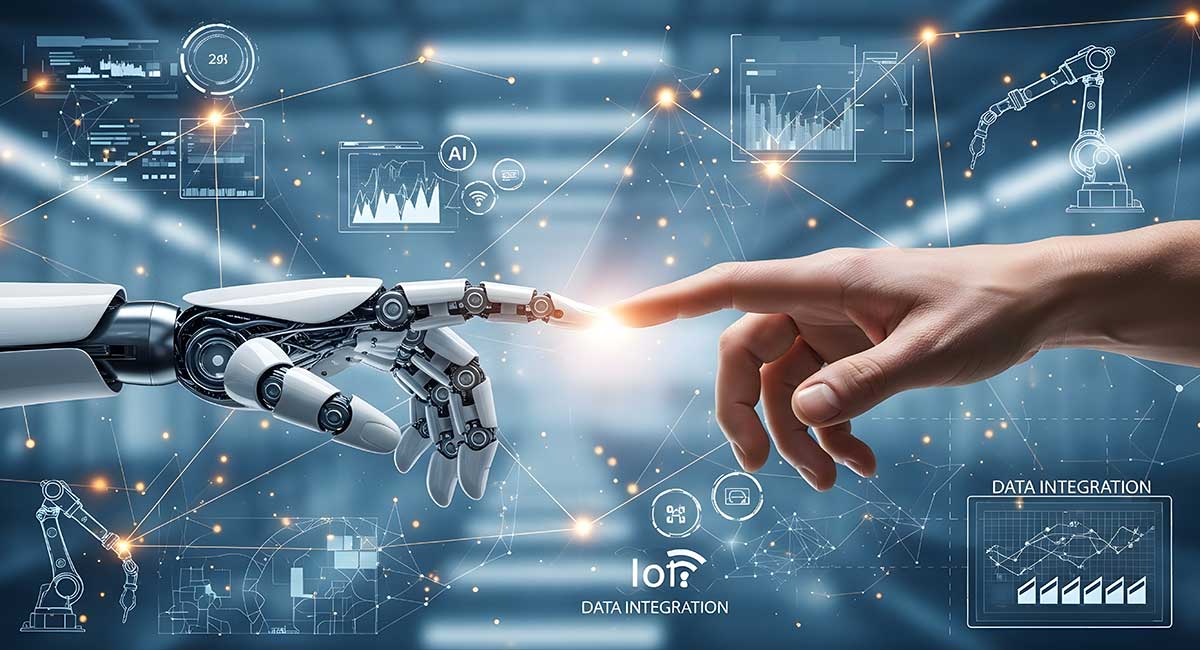
Organisations now face a new challenge. Success no longer hinges on connecting more sensors, edge devices or smart infrastructure. Organisations must now focus on making their existing connections meaningful. As a result, the real value of IoT systems today lies in how effectively device data integrates with their existing enterprise systems and drives real business results.
From volume to value
In the UK alone, IoT device revenue is expected to climb from $3.76 billion in 2024 to $8.98 billion by 2030, with edge devices representing the fastest-growing segment. Enterprise adoption is accelerating across many systems, including EV charging infrastructure, smart grid management, healthcare systems and logistics networks.
Yet, many organisations that invested heavily in sensors and connectivity now find themselves data-rich but insight-poor. They’ve deployed the hardware and have captured the data. But they’re struggling to translate it into decisions that move their businesses forward.
The silent killer: data silos
Despite massive technology investments, only 28% of enterprise applications are integrated. The culprit behind this challenge: fragmentation. This means most business systems remain isolated, unable to share information or trigger coordinated responses when needed to solve organizational-wide business challenges or protect against threats.
To make matters worse, the scale of this problem is growing, not shrinking. In the UK, 68% of enterprises now cite data silos as their top concern in 2025 — up 7% from the previous year. The consequences extend beyond inefficiency. Fragmented systems create semantic mismatches that slow real-time decision-making. They introduce compliance risks when regulatory reporting requires consolidated views across multiple data sources. Additionally, they prevent organizations from leveraging AI and advanced analytics, with 95% of IT leaders identifying integration as the primary barrier to AI adoption.
Building the bridge from Insight to Impact
Integration is the essential bridge that transforms IoT from a data collection exercise into a business transformation tool. Progressive UK businesses are adopting integration-first architectures, using open Application Programming Interfaces (APIs) to connect IoT platforms with ERP systems, computerised maintenance management systems (CMMS) and analytics engines.
This approach enables powerful automated workflows that eliminate manual handoffs and accelerate response times. Imagine a sensor detecting an anomaly in manufacturing equipment. In a siloed environment, that alert might generate an email that an employee reviews during business hours, escalates through proper channels and eventually results in a maintenance ticket days later.
In an integrated environment, that same sensor alert automatically triggers a maintenance request in the CMMS, checks inventory in the ERP system, schedules the repair based on production calendars and notifies the appropriate technicians — all within minutes, and often before a human even sees the alert.
Real-World Results
The value of integration-enabled IoT is moving beyond theory into measurable outcomes across industries, and enterprises are reaping the rewards. The ROI of unified integration strategies ranges from 171% to 295% within three years of implementation.
UK logistics firms are using real-time tracking and condition monitoring, combining them with route optimization systems to adjust delivery schedules in real time. As a result, they are able to reduce fuel consumption and improve customer service. This ability to respond to real-time conditions, rather than static plans or historical data, creates a competitive advantage for organizations that use it.
Additionally, healthcare providers are seeing improved patient outcomes through IoT wearables, which integrate with electronic health record systems. These devices enable real-time monitoring, automated alerts for medication compliance and early intervention when vital signs indicate potential issues.
AI as the intelligence layer
While successful integration across systems creates the foundation for effective systems, AI is the tool that will convert data into action – autonomously or through intelligence passed on to humans. With 79% of UK professionals now using generative AI tools at work — and adoption highest in IT and telecoms at nearly 30% — we’re seeing how IoT integration and AI capabilities come together to create entirely new possibilities.
Furthermore, the UK government’s AI Opportunities Action Plan signals a national commitment to using this technology effectively to advance business interests. The plan calls for strategic investments in data infrastructure, AI safety frameworks and public sector digital transformation. These investments will enable AI-powered analytics to deliver real-time decision-making, predictive insights and autonomous operations that were theoretical just a few years ago – bringing organizations into the future.
The road ahead
Over the next three to five years, the organizations that thrive will treat technology integration as a strategic asset rather than a technical afterthought. The winners will be those who move from connectivity to collaboration, from data to decision and from pilots to full-scale transformation.
The technology to make this happen exists today. The question isn’t whether to prioritize IoT integration but rather which organizations will lead this transition or scramble to catch up. The next chapter of IoT isn’t about connecting, it’s about connecting better.
Author biography:
Rich Owen leads the design of collaboration technology solutions for the Digital Workplace Solutions practice at Unisys. He has more than 30 years of experience as a director, advisor and innovator for digital, cloud and social collaboration systems such as Microsoft365, Microsoft Teams, Google Workspace and Workplace by Facebook.
Prior to Unisys, Rich worked for companies such as DXC Technology, Ford and HP. He has co-developed and led the implementation of workplace collaboration technologies to drive inclusion and productivity, including managed meeting rooms and frontline worker industry solutions.
Rich holds a degree in Information Technology and Computer Studies from Cardiff University.
There’s plenty of other editorial on our sister site, Electronic Specifier! Or you can always join in the conversation by visiting our LinkedIn page.