
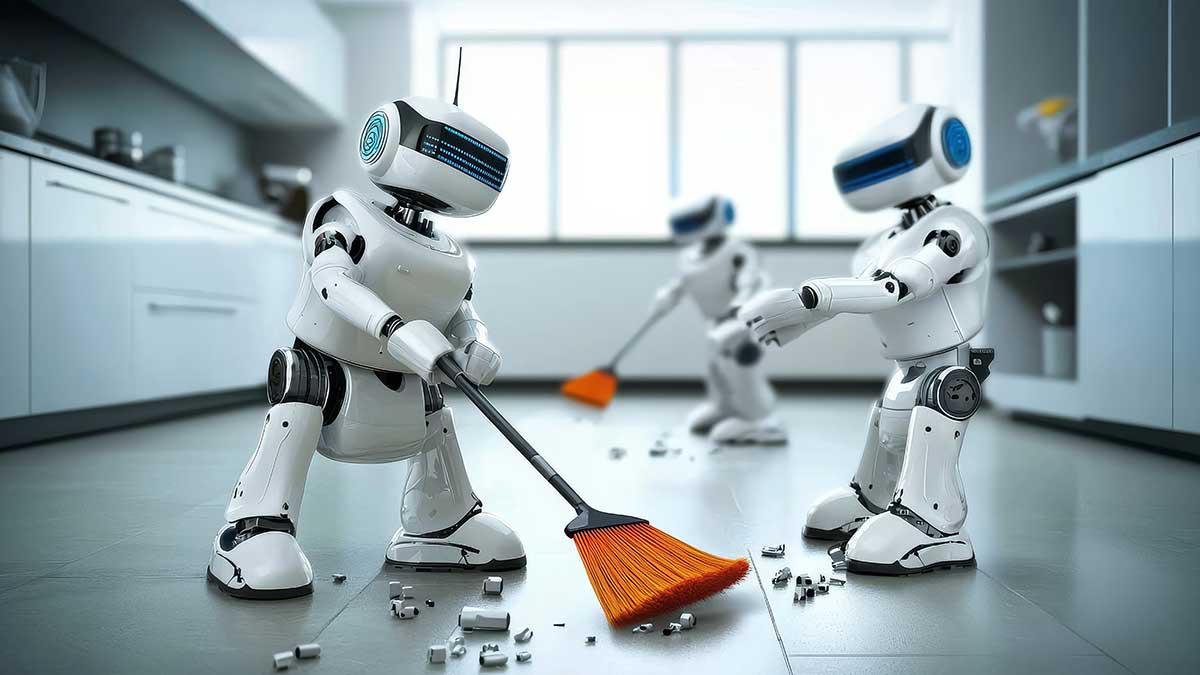
Whether it’s Rosie the Robot from The Jetsons or Herbie in The Fantastic Four, popular culture has long imagined a future where household chores are handled by tireless mechanical helpers. For decades, those visions felt firmly rooted in fiction.
At last week’s Consumer Electronics Show in Las Vegas, however, that future felt noticeably closer. The world’s largest technology show revealed a decisive shift in how the smart home is evolving, moving away from passive automation and towards robots that can physically take on domestic labour.
For years, learning how to set up a smart home has meant connecting lights, thermostats, and speakers that work in the background. These systems made homes more responsive, but they did little to reduce the hands-on effort required to keep them running.
CES 2026 revealed a change in direction: machines that do not just assist or vacuum, but clean, fold, and tidy up. And this year’s show demonstrated that the race is on among robotics companies to come up with a viable first to mass market.
The most striking example of this was LG’s home robot, CLOiD, a cheery little C3PO-style humanoid, unveiled at the show, which wowed the crowds at the Korean manufacturer’s keynote, accepting a damp towel from the company’s Brad Varner, VP of Home Appliance Solutions Sales and slowly placed it in a washing machine.
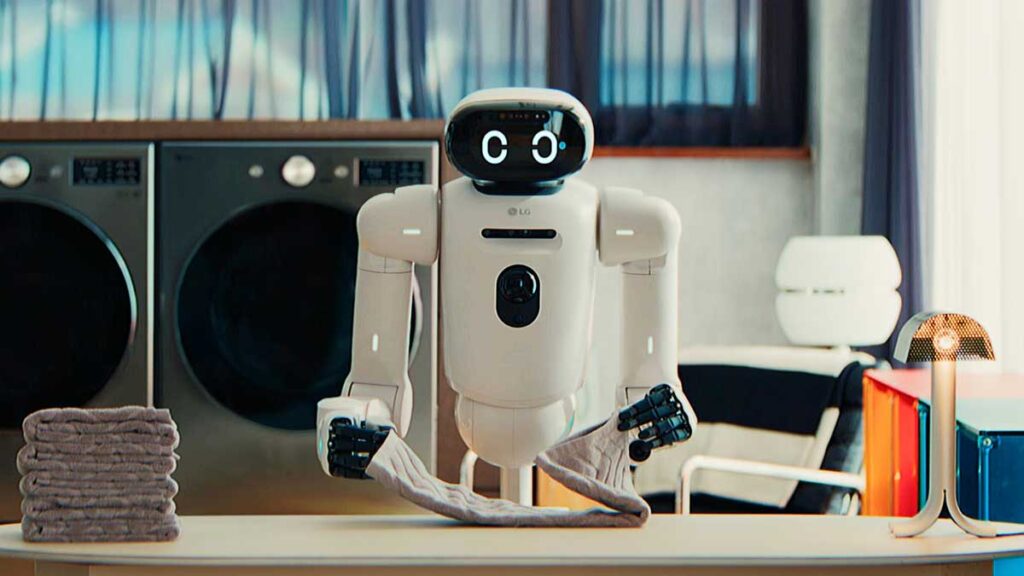
Built around the company’s Zero Labour Home concept, CLOiD is designed as a general-purpose domestic assistant rather than a single-task appliance. With articulated arms, dexterous hands, and a sophisticated vision system, it is capable of manipulating everyday household objects. For those of us who spend far too long each day doing laundry and picking up children’s shoes, the use case is both obvious and enticing.
“LG envisions a seamlessly connected flow between devices, spaces and human behaviour, ultimately achieving our goal of a zero labour home that saves both time and effort through convenience and comfort,” said Varner, smoothly.
He said that using generative AI and visual perception, the robot is capable of learning household layouts, recognising objects, and adapting to user routines. Linked to LG’s broader smart appliance ecosystem, it can coordinate tasks such as starting laundry cycles, adjusting oven temperatures, or managing energy use automatically.
The reality of having a CLOiD in the home, however, undertaking all the grunt work, appears to still be some way off. The robot is still only a prototype and LG has not release either a release date or time.
LG was not alone in pursuing this vision. Another general purpose chore robot also displayed at the show offering a similarly enticing package was the Onero H1 bot built by automated cleaning specialist SwitchBot.
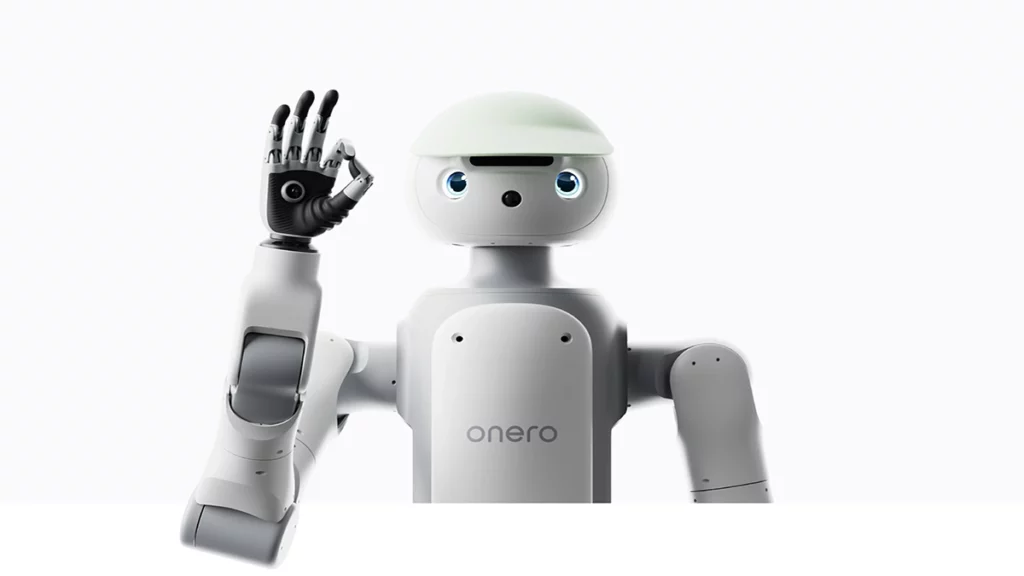
Designed to handle tasks such as preparing drinks, cleaning windows, and assisting with laundry, the Onero H1 prioritises precise arm movement and object manipulation rather than full human-like mobility. Its advanced perception system allows it to recognise objects, follow instructions, and adapt its actions in real time. Unlike many concept robots, it is positioned as a consumer product that could realistically enter homes in the near future.
However, although the company is currently marketing a number of autonomously hoovering and mopping machines, the Onero H1 is currently unavailable for pre-orders.
In fact, at CES 2026, the domestic robots available to purchase from marketing teams at the show tended to those able to perform limited and specialised tasks. Robot vacuums and mops are becoming increasingly intelligent, with improved object recognition, better handling of mixed flooring, and enhanced hygiene features such as steam cleaning. Many now adjust their behaviour based on household conditions, including pets, children, or high-traffic areas.
Beyond floor care, the show featured robots for window cleaning, lawn mowing, pool maintenance, and even sneaker care. One sneaker-cleaning robot automates washing, disinfecting, drying, and deodorising footwear in a compact unit. Although niche, these devices reflect a growing willingness among consumers to delegate even specialised chores to machines when they offer genuine time savings.
Yet for those willing to take the first mover risk, humanoid chores robots are available.
In October 2025, California-based robotics company 1X Tech launched sales of NEO, the machine it dubbed “the world’s first consumer-ready humanoid robot.” According to the manufacturer NEO has been designed to transform life at home, folding laundry, organising shelves and tidying shelves.
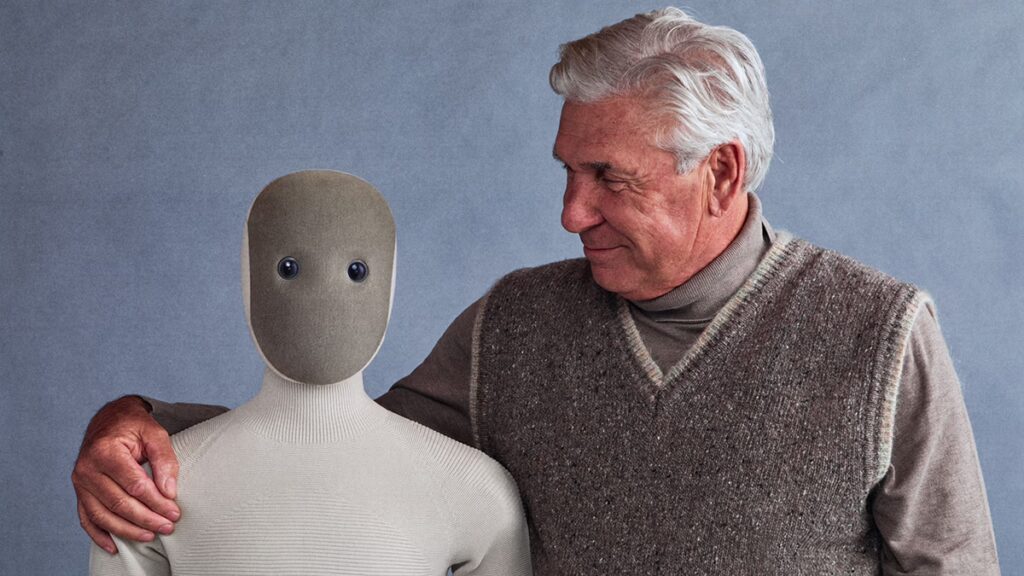
Priced at around $20,000 or $500 a month, the machine is built from 3d lattice polymer structures which makes it lighter and less noisy when it walks around. 1X Tech says NEO uses what it calls a Tendon Drive System equipped with the highest torque density motors on earth to drive its transmissions.
“NEO closes the gap between our imaginations and the world we live in, to the point where we can actually ask a humanoid robot for help, and help is granted,” said Bernt Børnich, CEO and Founder, 1X.
In November 2025, Tangible Robots, another California-based startup launched its Eggie humanoid model which it says is capable of undertaking chores such as wiping up spills. Although the company says Eggie is available to purchase at around $25,000, it is currently aimed at developers and researchers rather than general consumers.
Moreover, both companies told the BBC that although their machines do act autonomously using AI, they are also currently controlled by human operators.
“We’re betting on a world where home robots are inevitable. But the first step isn’t the home, it’s the technology. The AI. Because what is a home robot without intelligence?” Tangible Robots said. “Today, we’ve built one of the world’s most capable robots. Next we’re building the autonomy that understands 3D, touch, and scale.”
There’s plenty of other editorial on our sister site, Electronic Specifier! Or you can always join in the conversation by visiting our LinkedIn page.