
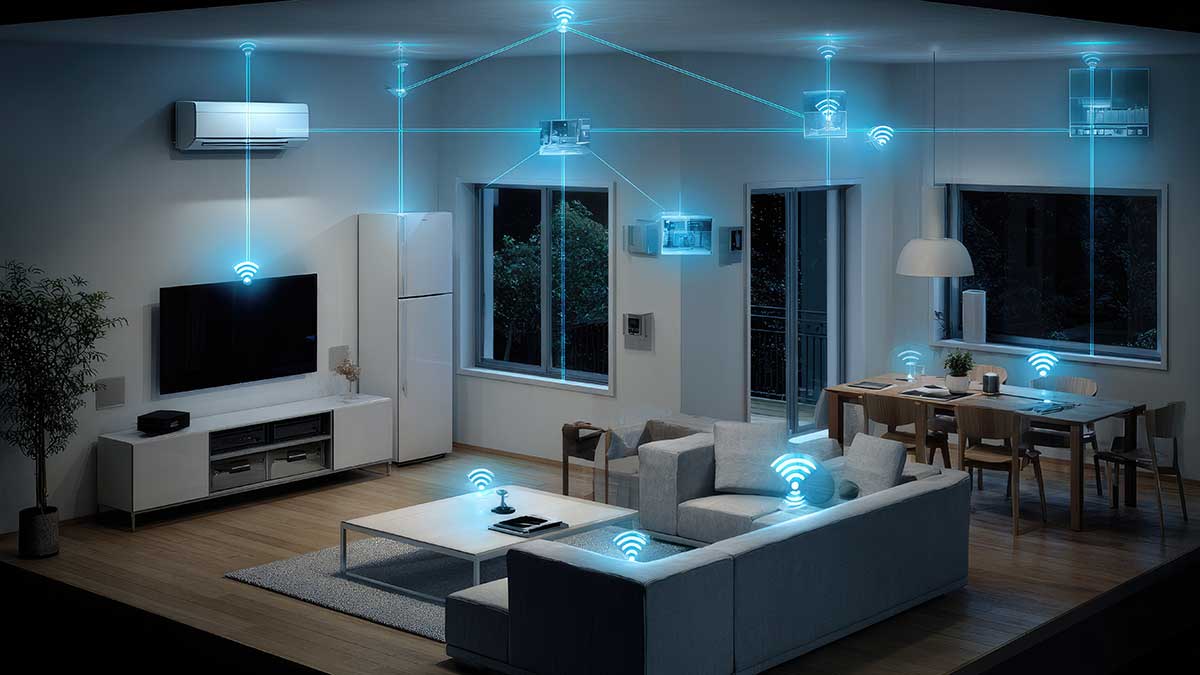
Milesight, a China-based sensing technology provider, is ramping up its people sensing technologies in an attempt to capitalise on the expansion of the global smart building market, as owners and operators seek to cut energy use, improve safety, and extract more value from existing assets.
The company’s FES Plus Smart Building Solution combines facility management, energy management, and space management through connected sensors and people-sensing technologies. The approach reflects a broader shift in the property sector towards data-driven decision-making, particularly in retrofit projects, which now account for a growing share of investment in building upgrades.
According to research quoted by Milesight, the smart building market is valued at about $95 billion and is forecast to grow at a compound annual rate of 12.57%, reaching roughly $250 billion by 2032. Rising energy costs, environmental pressures, and tighter regulations are accelerating adoption, while safety, energy efficiency, and infrastructure management remain the primary focus areas for building owners.
Milesight’s strategy centres on using IoT technologies to make buildings more responsive to how they are actually used. By analysing occupancy patterns and environmental conditions, the company says its systems can help operators reduce waste, improve comfort, and respond more quickly to faults.
In facility management, the platform monitors systems such as HVAC, lighting, water supply, and electrical loads, alongside environmental factors including temperature, humidity, pressure, and leaks. Data-driven alerts are designed to shorten response times and reduce losses from unexpected failures, while also supporting routine maintenance and space utilisation planning.
Energy management is another priority, as commercial buildings face increasing scrutiny over consumption and emissions. Milesight’s solution integrates energy monitoring with automated controls for heating, cooling, and lighting, allowing local, real-time adjustments intended to lower costs without compromising occupant comfort.
Space management tools focus on optimising how buildings are used, tracking footfall, occupancy, and environmental quality. The company argues that better insights into space usage can help landlords attract tenants, support employee wellbeing, and strengthen the social credentials of workplaces.
A key differentiator, Milesight says, is its use of people-sensing technologies, which can count occupants, detect presence, analyse movement, and monitor behaviour without relying on manual reporting. While applied primarily in office buildings, the same technologies are also being deployed in retail, transport hubs, healthcare, and elderly care, extending the commercial potential of the platform.
As buildings are required to do more with less, suppliers such as Milesight are betting that integrated sensing and analytics will become a standard feature of modern property management, rather than an optional upgrade. The challenge, as the market matures, will be translating large volumes of data into measurable financial and environmental returns.
There’s plenty of other editorial on our sister site, Electronic Specifier! Or you can always join in the conversation by visiting our LinkedIn page.