
The wearables market has evolved rapidly over the past decade, moving far beyond simple step counters and sleep trackers. As hardware matures and devices become more capable and affordable, the real battleground is shifting to software, AI, and user experience.
One company positioning itself at the heart of this shift is CUDIS, a smart ring and AI-powered health platform founded in 2023 and already gaining traction among both athletes and everyday users.
In a recent conversation with IOT Insider, CUDIS CEO Edison Chen shared how the company is reimagining wearables – not just as gadgets that collect data, but as the foundation of a new health ecosystem that connects users, athletes, and coaches around personalised wellbeing.
“We are not just here building a wearable brand or AI hardware,” Chen said. “We are trying to build a new health ecosystem that can connect all the dots and help the user and athletes live a healthier and smarter life.”
A smart ring with an AI health coach
At the core of CUDIS is a smart ring paired with an AI-powered app. The ring tracks sleep, heart rate, stress, and sports performance, much like other high-end wearables. But CUDIS has made two strategic design choices that set it apart.
First, the app is usable even without the ring. Users can download the CUDIS app, access a range of functions, and begin their health journey without committing to hardware. Those who do purchase the ring unlock deeper tracking and advanced features – but the barrier to entry remains deliberately low.
“We want more people to take one small step at a time to get themselves into the health journey without blindly spending on something new,” Chen explained.
Second, the CUDIS app is built around an AI “coach agent” designed to go beyond simply reporting numbers back to users. Chen is critical of the typical wearable experience where an app tells you what you already feel: “Sometimes we have bad sleep, and we wake up and the app tells us, ‘Oh, your sleep score is like 50.’ But actually, that’s something we already know. So, what’s next?”
For CUDIS, the “next” is a personalised guidance layer. The AI coach interprets data and translates it into concrete actions – whether that’s adjusting training intensity after a poor night’s sleep, recommending recovery strategies, or helping a user stick to a nutrition plan.
The platform is designed particularly with young adults in mind: people who work full-time, often train in their spare time, and need to stay healthy while avoiding injuries that could disrupt their livelihood.
Over time, CUDIS aims for the coach agent to become a kind of digital health butler: handling small, everyday decisions around wellbeing, such as supplement routines, hydration, or even ordering your preferred coffee through local delivery partners. The idea is to reduce “decision fatigue” and free up mental energy for the bigger choices in life.
CUDIS connects insight to action through its broader ecosystem:
- Rewards system: users earn Health Points (HP) through consistent tracking and healthy behaviours
- CUDIS Store: Health Points can be redeemed for supplements, wellness products, and services. Partner locations include gyms, recovery studios, and wellness brands across the United States, Korea, Japan, Singapore, and Malaysia
- Community & challenges: weekly challenges, monthly bio-age initiatives, and community programs encourage accountability. More than 250,000 community members across 103 countries support long-term engagement
Building with athletes – and for everyone
CUDIS is unusual among early-stage wearable brands in how deeply it has aligned itself with professional sport. CUDIS is the official partner of UCLA Athletics. Notable athletes have adopted the ring, including high jump competitor Naomi Metzger, American rower Kate Knifton, German track and field athlete Karolina Pahlitzsch, and professional rugby player Sam Bannett.
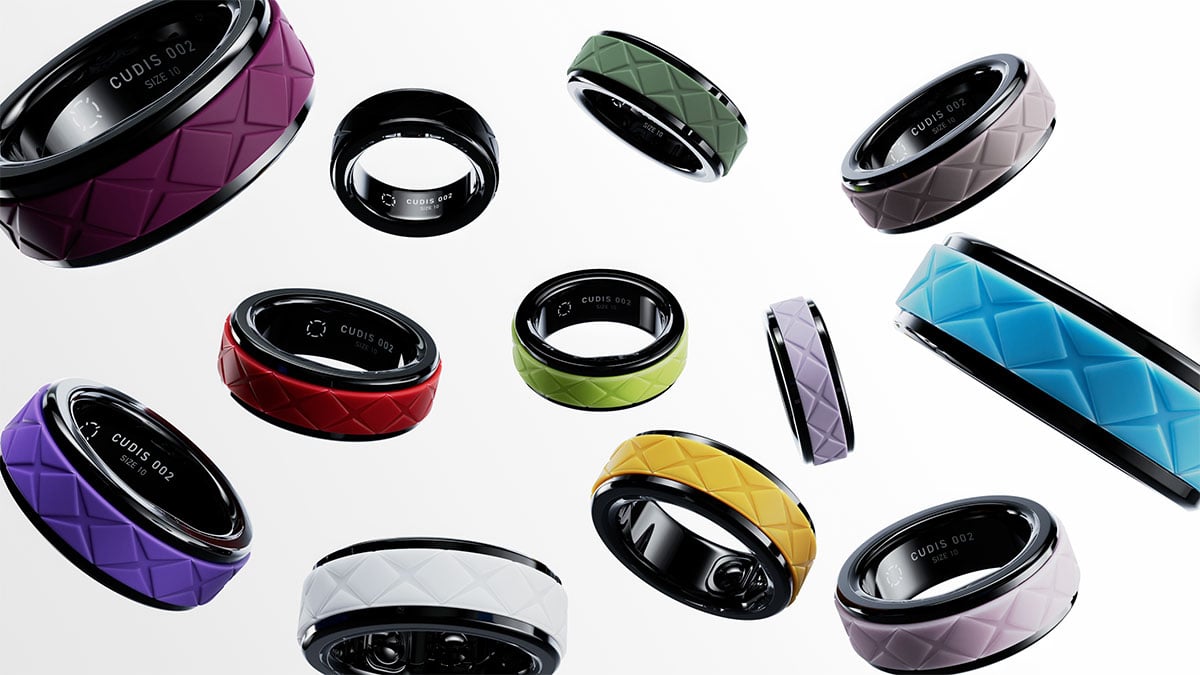
“CUDIS is the first tracking tool I genuinely enjoy wearing,” said Pahlitzsch. “I hardly notice it during training or while sleeping, and I love that I can change the colours to match my different tracksuits. Beyond that, it gives me the insights I need to improve, not just as an athlete, but as someone committed to living a healthy lifestyle.”
But Chen is clear that CUDIS is not only for elite performers. He himself doesn’t describe himself as an athlete, just someone who loves sport and wants to stay healthy – exactly the kind of everyday user the product is designed for.
The relationship with athletes is partly philosophical and partly strategic. CUDIS wants to elevate more than just champions, acknowledging the sacrifices made by professional athletes at every level.
In return, athletes share expertise in training, nutrition, and recovery, which CUDIS integrates into its AI systems and content, passing that knowledge on to users at scale.
Where the wearables market is headed
Looking ahead, Chen believes that the long-term differentiation in wearables will not be primarily about hardware.
“In the long run, hardware won’t be the only challenge,” he said. “When we come to the quality of manufacturing and microchips, everybody can get to the same level.”
Instead, he expects competition to centre on software, AI, and the ability to uncover and solve real, often overlooked user problems – from snoring to stress management and beyond.
Fashion and design will also play an increasingly important role. CUDIS is already betting on this, with multiple collections and a new sporty series launching in 12 colours, with plans to expand to dozens more. Chen notes that in traditional jewellery, more than 60% of items sold are rings; he believes smart rings will follow a similar trajectory once users are offered more choice and better aesthetics.
Today, smart rings are still a small slice of the global wearables market – just a few million units sold annually compared with hundreds of millions of smartwatches and bands. But Chen is convinced that will change.
As chips get smaller and intelligence moves from screens into objects and accessories, CUDIS is positioning itself to be more than a device maker. It wants to be the connector: between users and coaches, between athletes and fans, and between health data and real-world benefits such as rewards, products, and services.
If Chen’s vision plays out, the future of wearables may look less like a dashboard of numbers and more like a personalised, always-on health companion – quietly helping people make better decisions, avoid burnout and injury, and live longer, healthier lives.
Pre-orders for the CUDIS Sporty Series ring open on 26th February on Kickstarter, with limited early-bird pricing. The ring will retail for $399 and requires no monthly subscription.