

Worn by Kim Kardashian, Prince Harry, Lewis Hamilton, and the England men’s football team in Euro 2024, it seems smart rings are finally having a moment in 2026.
After more than a decade as a niche curiosity, manufacturers say smart rings are finally becoming a mainstream wearable.
The devices, many of which claim to monitor sleep, activity, heart rate, and other health metrics with greater accuracy than sports watches, were one of the products most heavily pushed at CES 2026 in Las Vegas this week.
Manufacturers say that the rings are more accurate than watches because sensors on the finger are closer to key arteries and under thinner skin, providing more precise readings.
Another key draw is the lack of a screen means that batteries tend to last longer without charging and look less ‘gadgety’ prompting many designer tie-ups promoting the devices as tech-enabled jewellery.
Tech analyst International Data Corporation (IDC) predicts that the number of smart rings on the market will grow to 3.2 million in 2028 up from just 800,000 in 2023, equating to year-on-year growth of 29.5%.
By comparison, the total global Smartwatch sales in 2023 were roughly 161 million devices, forecasted to rise to 175 million by 2028, an average year-over-year growth rate of 1.7%.
Best known in the category, Finnish brand Oura, the ring the Football Association bought in bulk for the Three Lions two years ago and worn by a bunch of high-profile names. Oura monitors more than 20 different biometrics, tracking advanced heart rate variability, cardiovascular age and skin temperature.
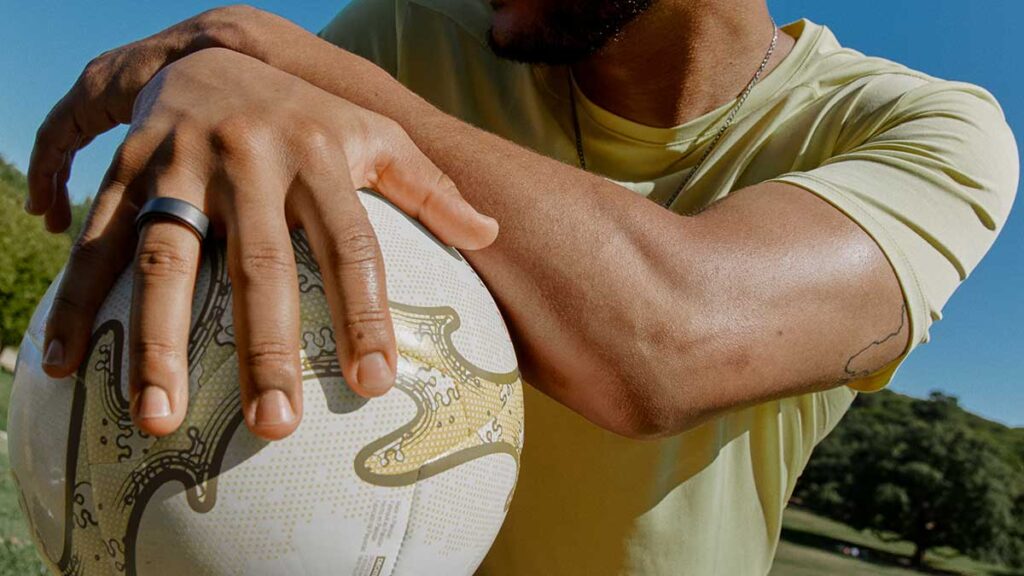
“Wearables the Oura Ring will drive preventative care, longevity, and a new era of personal empowerment over health,” Tom Hale, Oura CEO told delegates.
Oura launched its first smart ring in 2015 and is now valued at roughly $11 billion, with revenue on track to reach $1 billion in 2025. Beyond hardware, Oura generates income through a subscription service costing $5.99 per month or $69.99 annually, giving users access to detailed insights and trends.
The company was showcasing its recent partnership with Quest Diagnostics, which the company says makes it easier for subscribers to schedule labs at approximately 2,000 US locations directly through the Oura app.
And Oura was in good company. Rival Ultrahuman used its booth at the Venetian, Las Vegas, to demonstrate what it called its integrated health and wellness platform, demonstrating how it could monitor sleep, metabolic data and hormone levels.
Fellow smart ring maker RingConn used CES 2026 to unveil its Gen 3 version, which includes blood pressure insights and a built-in vibration monitor.
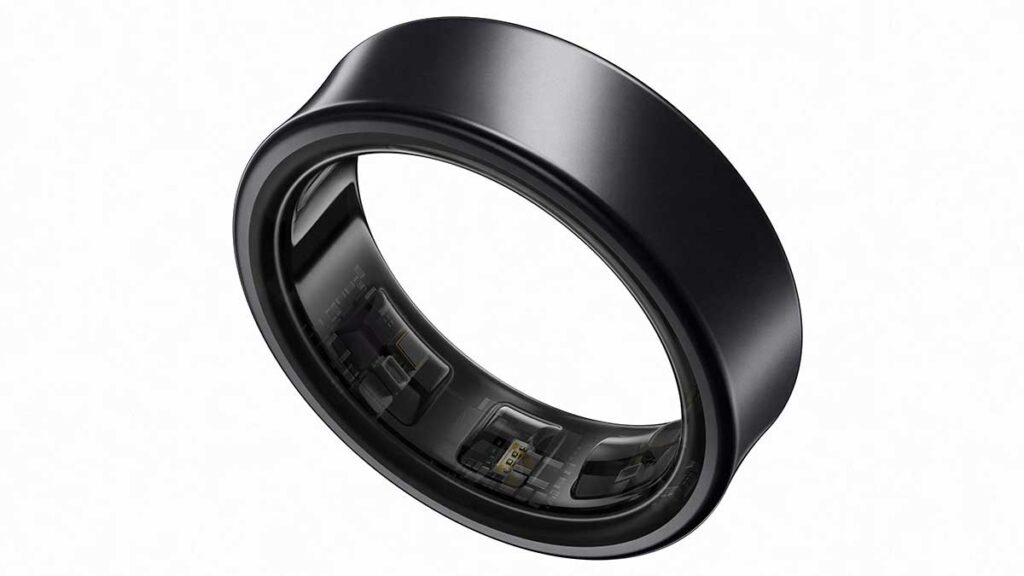
In 2024, Samsung became the first major tech company to launch a ring. The company hit headlines in the build up to CES when the company’s Vice President and Head of Digital Health, Praveen Raja, announced that the ring and other Samsung wearables would soon be able to register “subtle changes to mobility, speech and engagement that can be indicative of long-term cognitive changes.”
Lifestyle brand Luna, which launched a smart ring in 2023, unveiled its new ‘fitness band’ at the show which allows users to log meals, record symptoms and ask for health guidance using voice commands rather than requiring a separate app.
Detroit-based Wilder Tech takes things even further with its super villain-sounding Bond Ring. The company’s big claim is that the device is powered entirely by energy generated by body heat. Bond says the device incorporates space-grade PCB fabrication processes and components typically reserved for advanced drones, satellite imaging and medical implants. The company says it has produced the product after partnering with tech firms including Analog Devices, AMS-Osram and Infeon.
Key tech innovations include a body fat, muscle and bone analysis, ECG monitoring for atrial fibrillation detection, and checks on UV exposure, ambient light, temperature, and noise levels.
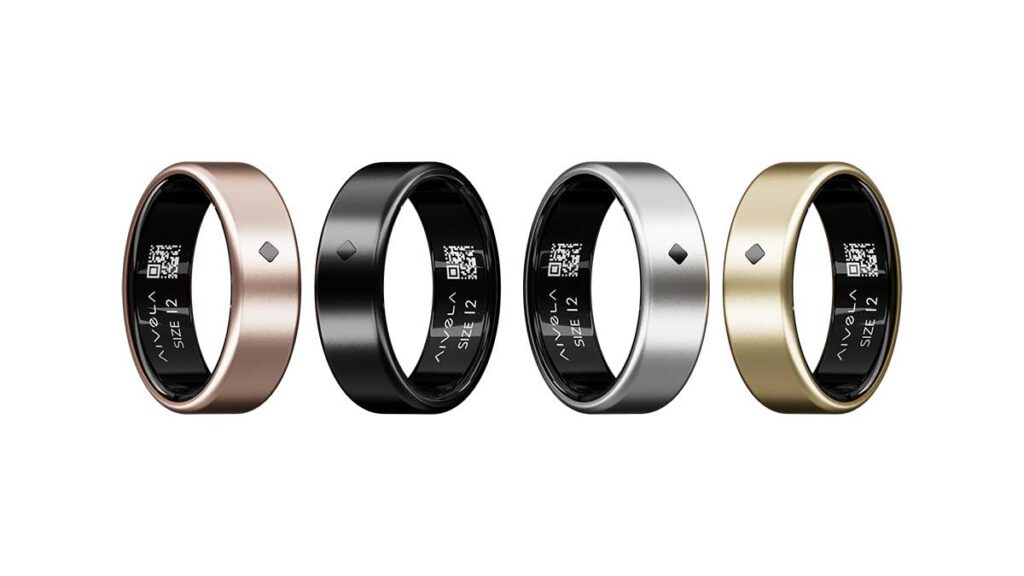
Another smart firm firm to exhibit was Aivela whose Aivela Ring Pro has received endorsements from basketball stars Mike Miller, Sydney Colson and Theresa Plaisance. Its design is led by former Apple designer Hartmut Esslinger, with contributions from Gucci’s Matteo Menotto.
Positioned as an innovative entry in the growing smart ring market, the Aivela Ring Pro integrates advanced health, fitness, and sleep monitoring with an AI-powered coaching system that delivers personalized, real-time reports in a podcast-style voice format — without subscription costs.
Beyond health, the Aivela Ring Pro introduces touch and gesture-based control that extends functionality to multiple devices. With simple finger movements, users can manage music playback, e-book & presentation slides, and short video slides, adding everyday convenience. Its discreet design and intuitive interface also open new possibilities for interaction with emerging AI devices, such as smart glasses and connected ecosystems.
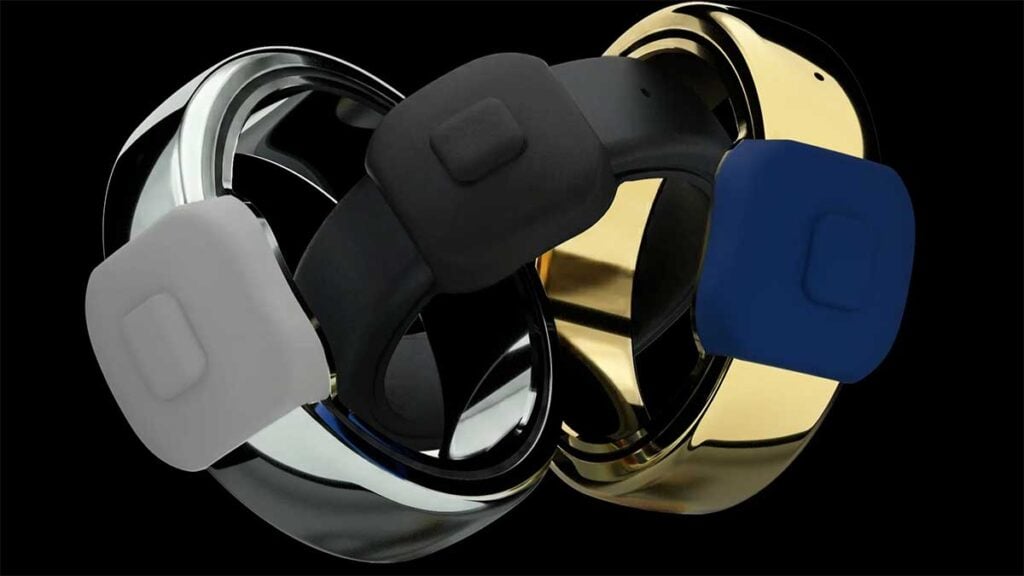
And at the other end of the spectrum, Pebble, the smartwatch company popular in the early 2010s was also at the show demonstrating a smart ring with no health monitoring services whatsoever. Its AI-powered $75 Bluetooth Index 01 smart ring used to record voice notes and send them to your phone.
There’s plenty of other editorial on our sister site, Electronic Specifier! Or you can always join in the conversation by visiting our LinkedIn page.