ZutaCore, a developer of waterless, direct-to-chip liquid cooling systems, has partnered with energy infrastructure firm EGIL Wings to deliver high-performance, low-carbon AI data centres.
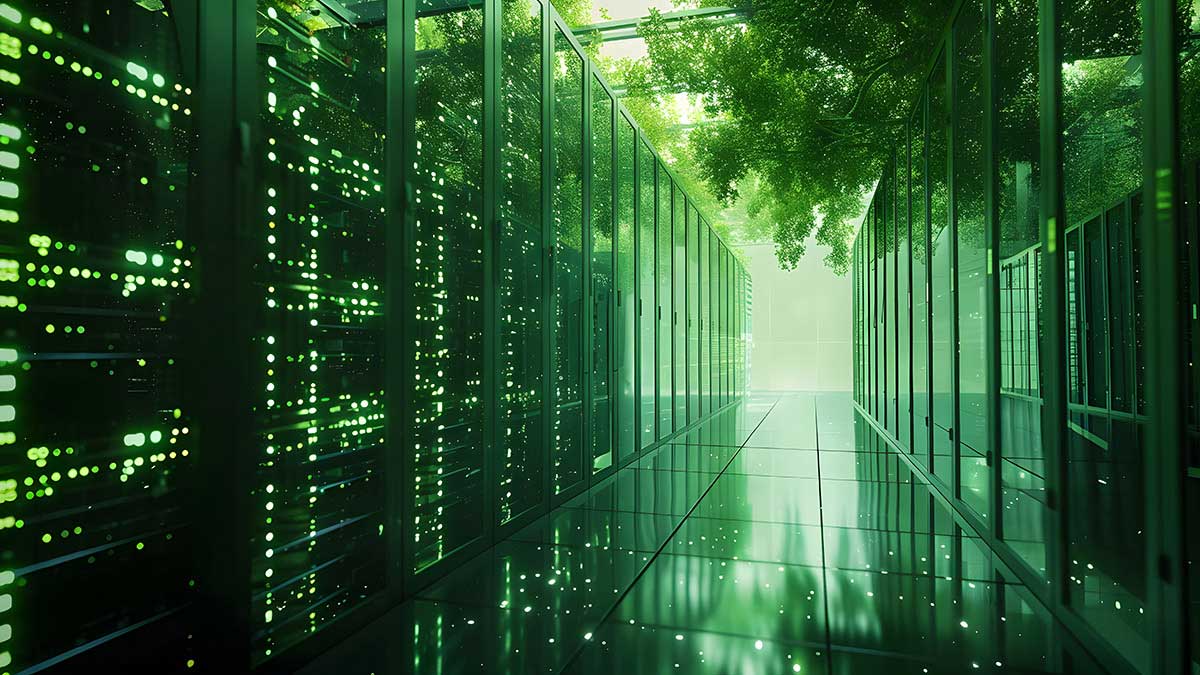
The collaboration, announced today, aims to tackle the rising energy demands of AI workloads, which have made data centres some of the fastest-growing electricity consumers globally. By combining ZutaCore’s HyperCool two-phase liquid cooling technology with EGIL Wings’ expertise in microgrids, renewable energy systems, and green fuels, the companies plan to deploy scalable, prefabricated AI “vaults” designed for efficiency, speed, and sustainability.
The first project under the partnership is a 15 MW AI data centre, which the companies describe as a model for modular, low-carbon compute infrastructure. Prefabrication and factory-tested subsystems are intended to reduce deployment time and lower total cost of ownership, while supporting high-density workloads with minimal water consumption.
“AI data centres are becoming part of the energy factories of the future,” said Erez Freibach, Co-founder and Chief Executive of ZutaCore. “Our collaboration with EGIL Wings combines proven cooling and distributed energy technologies with sustainable infrastructure expertise. Together, we’re building faster, more efficient, and inherently sustainable AI energy ecosystems.”
Stephen P. Johanns, Chief Executive of EGIL Wings, said the partnership would establish a new benchmark for energy-efficient, high-density compute environments. “By integrating advanced liquid cooling with renewable, modular energy systems, we can deliver AI vaults that dramatically reduce both energy and water use,” he said.
ZutaCore’s HyperCool system has been deployed in more than 40 locations worldwide, including data centres operated by Equinix, SoftBank, and the University of Münters. The company has strategic partnerships with Mitsubishi Heavy Industries, Carrier, and ASRock Rack, supporting AI platforms such as the NVIDIA HGX B300 server.
The tie-up with EGIL Wings reflects a broader industry push to reconcile AI’s growing computational demands with environmental and sustainability targets.
There’s plenty of other editorial on our sister site, Electronic Specifier! Or you can always join in the conversation by visiting our LinkedIn page.