Glamox has introduced a smart lighting system at a Bergen school for aspiring elite athletes that can trigger heating and ventilation systems, in what the company says is its first such installation in Norway and a sign of how building-automation technology is set to become mainstream.
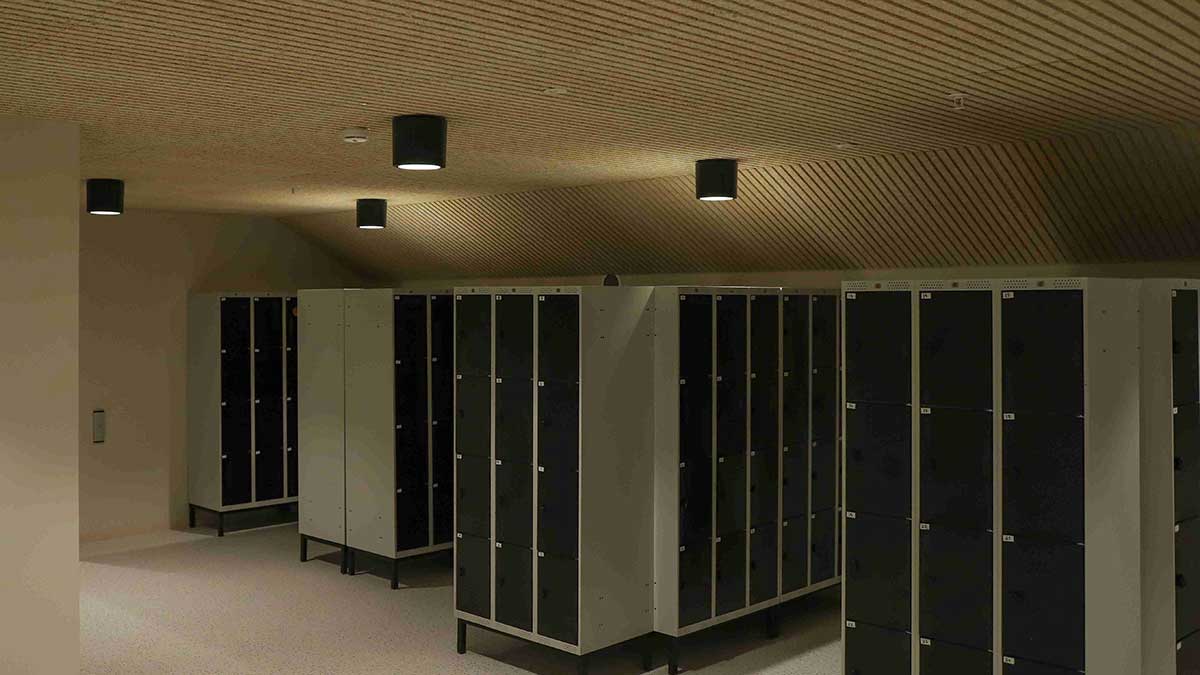
The Oslo-based lighting group has fitted more than 200 wirelessly connected LED luminaires at Norges Toppidrettsgymnas Ungdomsskole, a private lower secondary school located at Brann Stadium. The lights are equipped with presence sensors and linked to a wireless Light Management System, which communicates with the building’s management system through an API.
According to Glamox, the set-up allows the lights, heating, and ventilation to activate automatically when someone enters a room, reducing both installation and operating costs. “Using lighting and heating only when and where they’re needed results in significant energy savings,” said Vegard Einen, Project Manager at SLS Elektro, the installer on the project. He added that the wireless approach keeps refurbishment costs down by avoiding the need for extensive wiring.
The system forms part of a wider push for smarter energy use in buildings as the EU moves towards its 2050 net-zero target. The bloc’s Energy Performance of Buildings Directive requires non-residential buildings to adopt energy-saving technologies, which industry executives say will accelerate adoption of integrated management systems.
“Projects like these would have made Thomas Edison’s jaw drop,” said Toril Bache Jenssen, Director of Sales for Glamox in Norway, who expects smart lighting and building management systems to become standard as HVAC and lighting typically account for 60–80% of energy use in public buildings.
Novaform managed the project, with architectural design by Holon Arkitekter and electrical installation by SLS Elektro.
Glamox, which is owned by Triton and Fondsavanse, employs about 2,100 people and reported revenues of NOK 4.487bn in 2024. The company supplies lighting for commercial buildings as well as marine, offshore, and wind markets, and aims to reach net-zero operations by 2030.
There’s plenty of other editorial on our sister site, Electronic Specifier! Or you can always join in the conversation by visiting our LinkedIn page.