
When most people think of IoT, they picture factories, logistics hubs, or smart cities — not aircraft flying at 45,000 feet. Yet information on the latest unmanned aerial vehicles deployed by national defence agencies around the world shows just how…
The concept of a digital world that evolves from the definition of ubiquitous computing is known as the “Internet of Things” (IoT). It is a network of physical devices, vehicles, and other items embedded with electronics, software, sensors, and network connectivity, which enables these objects to collect and exchange data.
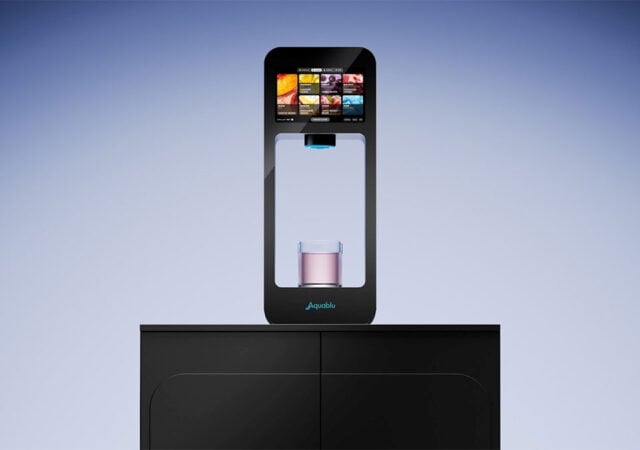
Aquablu launches refill + Series 2 with Aura
Aquablu unveiled the REFILL+ Series 2. Powered by the new AURA operating system, the Series 2 sets a new benchmark for sustainable, intelligent hydration in the workplace. Founded in 2018 in the Netherlands by Marnix Stokvis and Marc van Zuylen,…
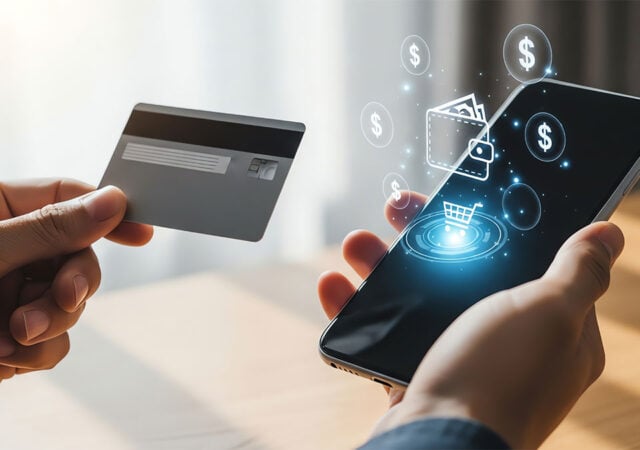
Mobile money accounted for $2 trillion in transactions in 2025
More than $2 trillion flowed through mobile money wallets globally in 2025, found the State of the Industry Report on Mobile Money 2026, prepared by the GSMA Mobile Money programme. This is an important threshold and exemplifies the exponential growth…
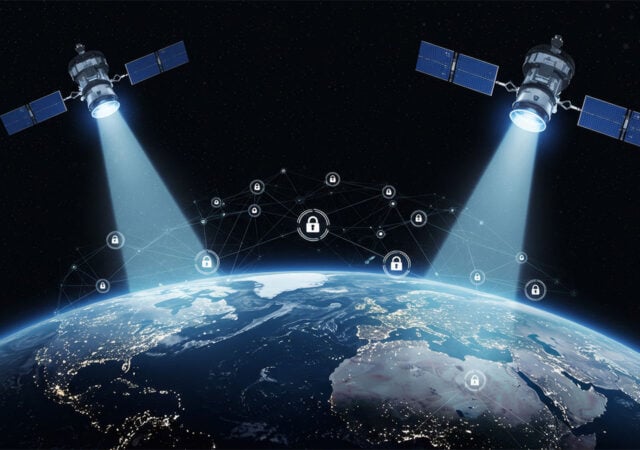
MediaTek demonstrates emergency satellite services for mobile devices with Starlink Mobile
MediaTek announced that it is collaborating with Starlink to support wireless emergency alert messages via satellite communication. Through this joint effort, more mobile users worldwide will be able to receive alerts from the Commercial Mobile Alert System (CMAS), Wireless Emergency…
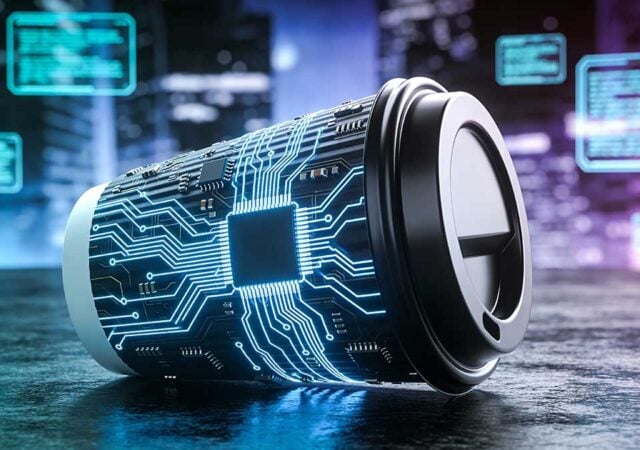
Could disposable IoT represent the next phase of connected device adoption?
Disposable Internet of Things (IoT) devices challenge the idea that connected hardware must last for years, especially as your deployments grow more temporary and distributed, writes Eleanor Hecks, Editor-in-Chief at Designerly Magazine. Short-lived, low-cost sensors have emerged in cases where…

Cellebrite says smartphones still top source of digital evidence
Smartphones are more relevant to investigations than ever before, with 97% of investigators citing them as the top source of digital evidence, according to Cellebrite’s 2026 Industry Trends Report. The report, which surveyed 1,200 public safety practitioners across 63 countries,…
How your smart tech could make you a target for burglars
Smart gadgets have crept into almost every corner of modern life, from phones and watches to doorbells, speakers, and home security systems. But experts warn many of these devices are quietly collecting far more information than people realise – and…

Inside the technology behind Dracula Technologies’ latest indoor energy-harvesting system
When French technology company Dracula Technologies showcased its new generation of indoor photovoltaic cells at CES earlier this month, it signalled a potential step forward in powering battery-free connected devices. The company has made a name for itself generating electricity…

CSignum launches through-ice wireless monitoring
CSignum announced through-ice wireless monitoring with the patented EM-2Q electromagnetic field signalling (EMFS) system. The system enables continuous, real-time water quality monitoring throughout winter conditions when traditional wired systems fail. Critical monitoring is often suspended for several months annually, leaving…
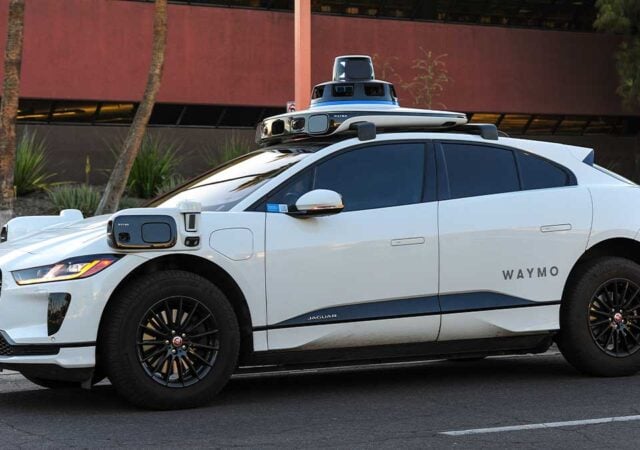
Why radar will enable tomorrow’s driverless passenger vehicles
In the future, driverless vehicles, buses and cars will glide through city streets, paving the way for healthier, less congested cities, but to arrive there requires a change in thinking about the sensors used to pilot truly self-driving vehicles. Today,…